
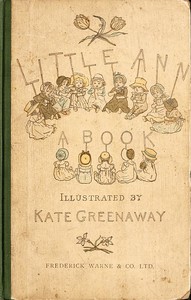
Little Ann, and Other Poems by Jane Taylor and Ann Taylor
If you pick up 'Little Ann, and Other Poems' expecting simple, forgotten nursery rhymes, prepare for a delightful shock. This collection by sisters Ann and Jane Taylor, first published in the early 1800s, is a window into the world of Georgian-era childhood, but the view feels strangely familiar.
The Story
There isn't one plot, but a series of vivid, miniature portraits. The book is a guided tour of a child's moral and emotional landscape. Each poem focuses on a tiny event or flaw: a boy who steals apples, a girl ruined by vanity, a child who wastes a beautiful day. The famous 'Twinkle, Twinkle, Little Star' is here in its original, fuller form, asking profound questions about the cosmos. The titular 'Little Ann' is a character who appears in several poems, often learning lessons about kindness, duty, and humility. The 'story' is the ongoing journey of learning how to be a person—a struggle as relevant now as it was then.
Why You Should Read It
I fell for this book because of its voice. It's earnest but never saccharine. The Taylors treat children with immense respect. They don't talk down; they observe with a mix of warmth and sharp wit. When they scold, it's for relatable faults. You wince reading about 'Meddlesome Matty' because we've all been tempted to poke something we shouldn't. The poems are also a fascinating social document. They show what virtues (obedience, piety, industry) were prized, but they do so through the lens of everyday life—sibling squabbles, losing a toy, fearing the dark. It makes history feel personal and alive.
Final Verdict
This is a perfect little book for curious readers who enjoy history, poetry, or psychology. It's a treasure for parents to share with kids (and discuss how some 'rules' have changed!). It's also a quiet joy for anyone who appreciates clever, structured verse. If you liked the gentle morals in Aesop's Fables or the observational wit of Jane Austen, you'll find a kindred spirit here. Don't rush it. Sip these poems like tea. They offer a calming, reflective look at the timeless business of growing up.
This historical work is free of copyright protections. Enjoy reading and sharing without restrictions.

Susan Perez
3 months agoPerfect.