
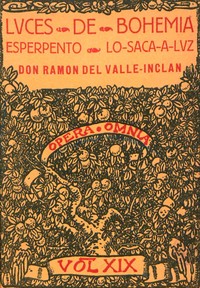
Luces de Bohemia: Esperpento by Ramón del Valle-Inclán
Let me set the scene for you: Madrid, 1920. A blind, once-famous poet named Max Estrella finds out he's been fired from his newspaper job. Broke and desperate, he pawns his last valuable possession—his coat—and sets out with his friend Don Latino into the cold night. What follows is a single, endless night of wandering. They move from a shabby bookstore to grimy taverns, encountering a world of characters who are all, in their own way, broken or corrupt.
The Story
Max's quest is simple: he needs money and some shred of respect. Instead, he finds a city that has turned its back on beauty and truth. He argues with a miserly bookseller, gets thrown in jail for no real reason, watches a young mother grieve her dead child, and debates with anarchists and hypocrites. Every interaction is a small tragedy or a bitter joke. The night wears on, growing colder and more hopeless. The 'bohemian lights' of the title—the romantic ideal of the starving artist—are shown to be a cruel illusion. Max's journey isn't toward redemption, but toward a raw, painful understanding of the world's indifference.
Why You Should Read It
This isn't a feel-good read, but it's a powerful one. Valle-Inclán's genius is in his style. He invented the 'esperpento,' a way of writing that distorts reality to highlight its absurdity and cruelty. The characters aren't just sad; they're exaggerated, almost like puppets or figures in a cartoon. This makes their suffering and the injustice they face feel even sharper. You laugh at their ridiculousness one moment and feel a punch in the gut the next. Max, for all his flaws and grand speeches, becomes a heartbreaking symbol of anyone who has ever felt cheated by the system. The book asks: What happens to art and dignity in a society that values neither?
Final Verdict
This is a book for readers who don't mind their classics with a heavy dose of darkness and satire. Perfect for anyone interested in early 20th-century Europe, political art, or experimental theater. If you liked the bleak humor of Kafka or the social critiques in Dickens, but wished they were angrier and more surreal, you'll find a lot to love here. It's short, but it packs a punch that lingers long after the final, tragic scene.
This title is part of the public domain archive. Enjoy reading and sharing without restrictions.
James Williams
8 months agoThe author provides a very nuanced critique of current methodologies.
Thomas Moore
2 years agoThe citations provided are a goldmine for further academic study.
Emily Moore
1 year agoExceptional clarity on a very complex subject.
Thomas Lopez
11 months agoThis is one of those stories where the storytelling feels authentic and emotionally grounded. Highly recommended.
Nancy Lee
5 months agoI was skeptical about the depth of this book at first, but the argument presented in the middle section is particularly compelling. Top-tier content that deserves more recognition.