
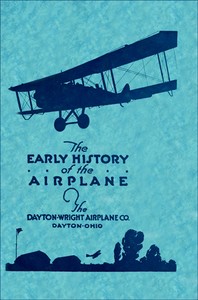
The Early History of the Airplane by Orville Wright and Wilbur Wright
Forget the polished, heroic version of the story. The Early History of the Airplane is the raw, technical, and deeply personal account straight from the source. Written by the Wright brothers themselves, this isn't a biography written by someone else looking back. It's their contemporary report, a blend of diary entries, technical explanations, and personal reflections compiled from articles they wrote for a professional magazine.
The Story
The book follows a logical, almost scientific progression. It starts not with grand ambition, but with curiosity—their fascination with flight sparked by a toy helicopter. They detail their methodical process: studying birds, realizing the key was control, and their brilliant decision to test wings in a homemade wind tunnel (a box fan glued to a bicycle!). We live through the years at Kitty Hawk—the sand, the mosquitoes, the isolation. Each chapter feels like a puzzle piece: the 1902 glider that finally cracked the code of three-axis control, the heartbreak of the 1903 engine's cracked crankcase, and then the four flights on December 17th, described with breathtaking simplicity. The story continues past that famous day, covering their often-frustrating efforts to convince a skeptical world that they had actually done it.
Why You Should Read It
What struck me most was their voice. There's zero arrogance. Instead, there's a relentless, quiet focus on solving problems. When they describe their first powered flight, Orville matter-of-factly notes the wind, the time aloft (12 seconds), and the fact they flew into a ditch. The drama is in the details, not grand statements. You get a real sense of their partnership—the quiet, precise Wilbur and the more impulsive Orville, both united by a shared obsession. Reading their step-by-step logic is more satisfying than any fictional thriller. You see how each failure wasn't a stop sign, but a signpost pointing them in a new direction.
Final Verdict
This is a must-read for anyone who loves stories about how things actually work. It's perfect for tinkerers, engineers, and inventors at heart. If you enjoy seeing genius broken down into manageable, hard-won steps, you'll love this. It's also fantastic for history fans who want to cut through the myth and hear the pioneers speak for themselves. Fair warning: it gets technical in parts. But even if you skim the details on wing-warping, the human story of perseverance shines through. This isn't just a book about a plane; it's a manual for how to turn an impossible dream into a reality, one bicycle spoke at a time.
This publication is available for unrestricted use. Share knowledge freely with the world.
Elizabeth Brown
11 months agoIt’s rare to find such a well-structured narrative nowadays, the language used is precise without being overly academic or confusing. I'm glad I chose this over the other alternatives.
Liam Jones
1 year agoA bit long but worth it.


Paul Lopez
4 months agoRight from the opening paragraph, the objective evaluation of the pros and cons is very refreshing. I’ll definitely be revisiting some of these chapters again soon.