
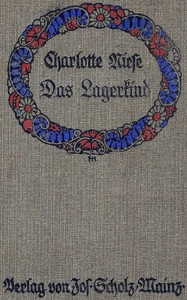
Das Lagerkind : Geschichte aus dem deutschen Krieg by Charlotte Niese
Charlotte Niese's Das Lagerkind is a story that pulls you in not with epic battles, but with the quiet, determined struggle of a child. Published in the late 19th century, it offers a window into a past conflict through a perspective we don't often get.
The Story
The story follows Käthe, a young girl whose ordinary life is shattered by the Franco-Prussian War. When fighting reaches her region, she and her family are displaced and end up in a crowded, makeshift refugee camp. The book paints a vivid picture of camp life—the shared hardships, the boredom, the loss of privacy, and the constant underlying fear. Käthe's journey is about navigating this strange, confined world. She makes unexpected friends, faces petty cruelties and small kindnesses, and constantly longs for the home she lost. The central drama isn't on a battlefield; it's in Käthe's heart as she tries to protect her spirit and find pockets of joy and safety within the camp's fences.
Why You Should Read It
What struck me most was how fresh this old story feels. Niese, writing not long after the war itself, captures a child's voice with authenticity. Käthe isn't a symbol; she's a fully realized kid who gets scared, gets angry, and finds wonder in small things even in terrible circumstances. Reading it, you're reminded that for civilians, especially children, war isn't about strategy—it's about disrupted meals, lost toys, and the terrifying uncertainty of tomorrow. The book's power is in its subtlety. It shows how resilience is built day by day, through a shared smile or a secret game, and it makes you think deeply about the invisible scars left on those who survive conflict off the front lines.
Final Verdict
This book is perfect for readers who enjoy historical fiction that focuses on intimate, personal stories over grand political narratives. If you appreciated the civilian perspectives in books like All the Light We Cannot See but want something from an earlier, less-explored era, you'll find a lot here. It's also a great pick for anyone interested in 19th-century German literature that goes beyond the famous classics. Fair warning: it's a gentle, observational read, not a fast-paced thriller. But if you let Käthe's story settle in, it's a moving and memorable look at childhood, displacement, and the quiet strength it takes to remain human when the world falls apart.
This work has been identified as being free of known copyright restrictions. Use this text in your own projects freely.
Emma Hernandez
2 years agoFive stars!
Joshua Hill
2 years agoThis is one of those stories where the depth of research presented here is truly commendable. This story will stay with me.
Ava Harris
1 year agoJust what I was looking for.
John Thompson
1 year agoBased on the summary, I decided to read it and it creates a vivid world that you simply do not want to leave. Highly recommended.


Michelle Jackson
10 months agoAmazing book.